FBI warns of OAuth consent phishing: a genuine login page may still lead to an untrusted authorisation request
The FBI explains how OAuth consent phishing tricks users into approving malicious applications on genuine service authorisation pages. The risk does not necessarily involve surrendering a password. If you suspect compromise, revoke access for untrusted applications too.
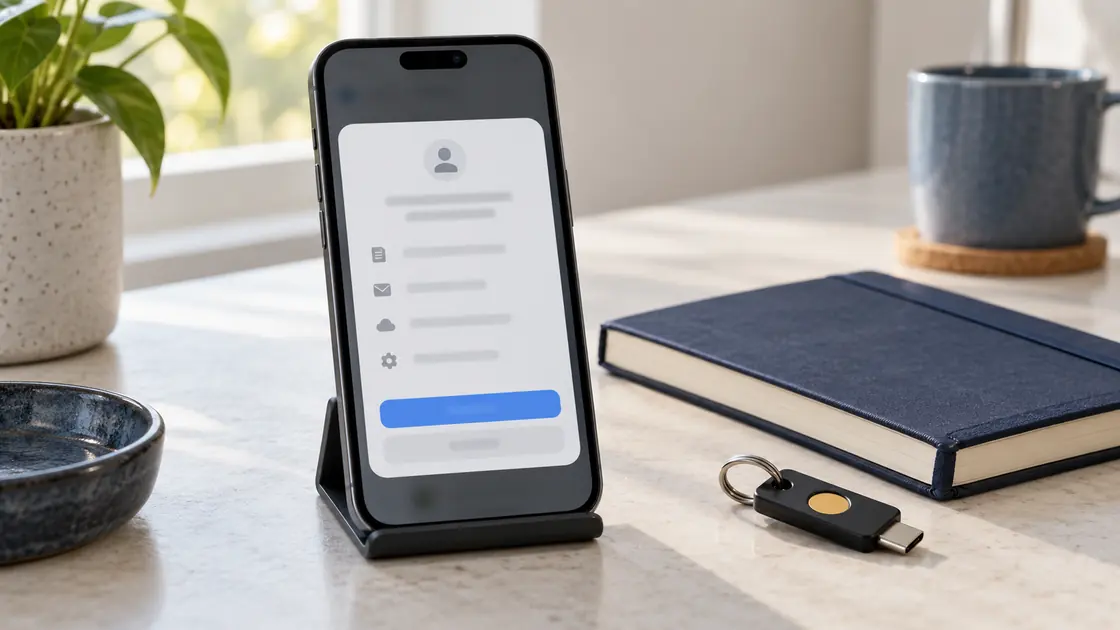
Source Facts
On 1 September, the FBI warned that attackers may use file sharing or event invitations as a pretext to lead users to authorise third-party applications on legitimate services' permission pages. Once approved, applications can read data or send email within the permissions granted.
The advisory warns that a password change alone does not revoke this access. Remove the relevant authorisations in the account's application security settings. A legitimate URL and normal sign-in do not make subsequent permission requests trustworthy.
Distinguish 'logging into an account' from 'authorising an application to read and write data', so staff know how to verify and report unfamiliar permission screens.
Original sources
Malicious Cyber Actors Gain Access to Victim Accounts Through Consent Phishing
Sources checked: 2026-10-26 · Prepared with SI agent assistance; articles have not been individually reviewed by a person.
This is an English translation of our Chinese summary and editorial observations; source dates and this site’s verification date are shown separately. If an original advisory changes, refer to the source.
KEEP READING
Recommended reading
 Illustration
LiteLLM explains package compromise: exposed keys must be revoked to complete the response
 Illustration
Oracle updates Java trust certificates, removing affected eMudhra root certificates
 Illustration